Keep on Running –
The Mattheis Da Cunha Story
Meet Mattheis Da Cunha, Scientist at the SOTAX Pharma Services laboratory in Orléans, France. Alongside his professional responsibilities, Mattheis is a passionate and highly committed endurance athlete. As a marathon runner and triathlete, he continuously pushes himself to improve and is now preparing for one of the most demanding races in the world: Ironman France Nice. Preparing for an Ironman requires more than physical strength. It demands discipline, resilience, and the ability to integrate intensive training into everyday life. Thanks to the supportive environment at SOTAX, Mattheis successfully manages this balance. Flexible working hours allow him to structure his training effectively, while the proximity of a swimming facility near his workplace makes it easier to include regular swim sessions in his daily routine.
The Story

Every challenge starts with a decision: to go one step further than yesterday
At the beggining, the focus is on building the foundation – early mornings, steady miles, and hours in the water. Training is not about a single breakthrough moment, but about showing up day after day, even when motivation fades and progress feels slow. There are no shortcuts. Endurance is built step by step, session by session. Some days feel strong, others don’t, but each one adds to the bigger picture. It’s a process shaped by discipline, patience, and the willingness to keep going when it would be easier to stop. The goal is clear: Ironman France Nice. But the real work happens here, in the routine. In the quiet moments of effort that no one sees. This is where the journey truly begins.
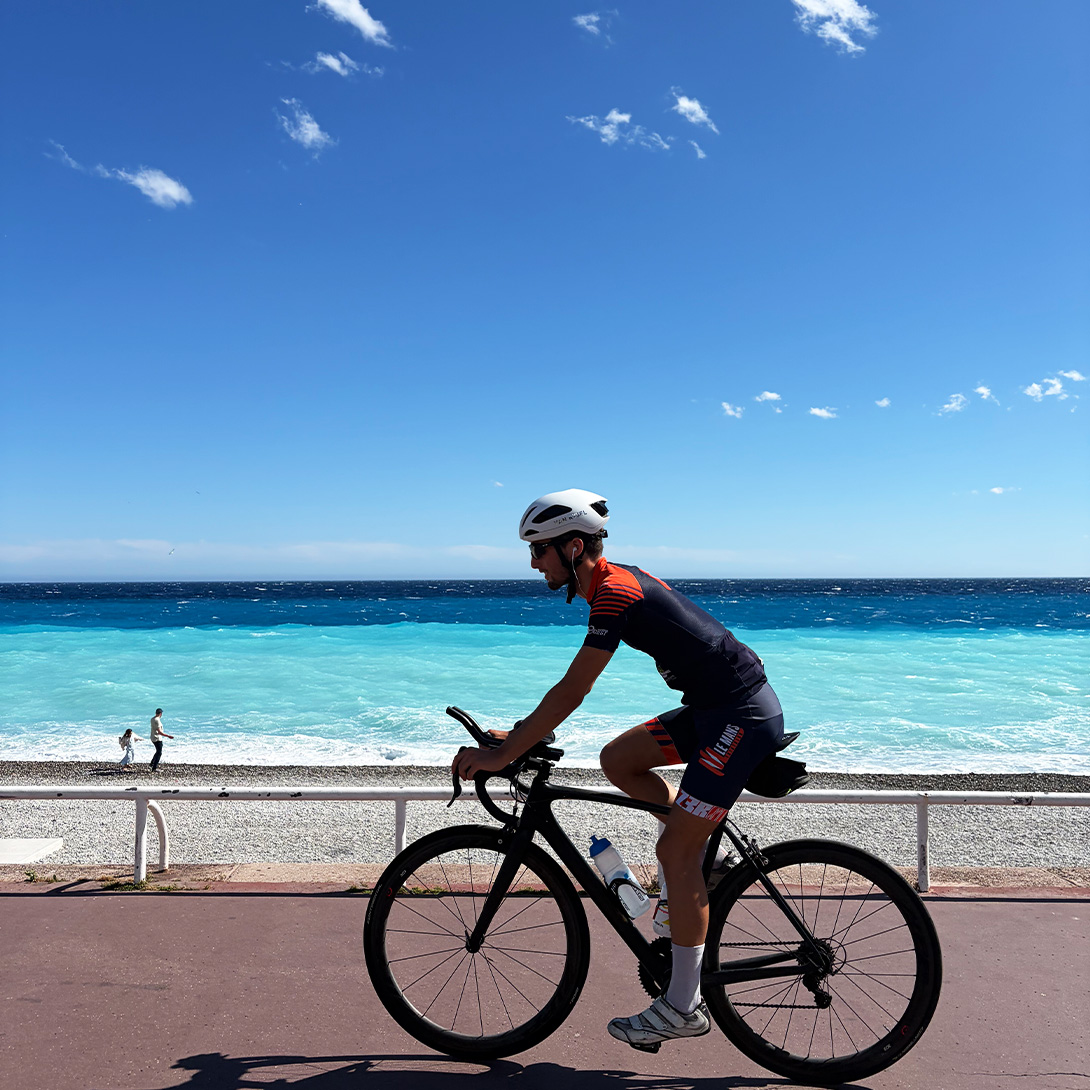
Push harder with every turn of the pedals
"Cycling training has undoubtedly been my biggest challenge. It has been my weak point for a long time, and it is also the most time-consuming discipline. Fitting several long rides into an already busy schedule each week requires serious organization. Beyond the technical aspect, the real challenge of IRONMAN training is consistency. Many athletes can pull off a big workout or an intensive week. However, logging more than 15 hours of training per week for six months, with sessions lasting three, four, or five hours each, requires discipline, consistency, and unwavering motivation. The ability to repeat this level of effort day after day is what makes all the difference."

Focusing on the positive is key
“During long, demanding events like marathons or IRONMAN competitions, I try to focus my mental energy on positive thoughts. The mind plays a crucial role in performance. When you nurture positive thoughts, it becomes easier to push through fatigue and challenging moments.
I think about everything I’ve already accomplished: the months of preparation, the hours of training, the sacrifices I've made, and the milestones I've already reached during the race. Instead of thinking about how far I still have to go, I appreciate how far I’ve come.
This approach enables me to view each mile as a step closer to achieving my goal. In those moments, the race becomes as much a mental challenge as a physical one.“
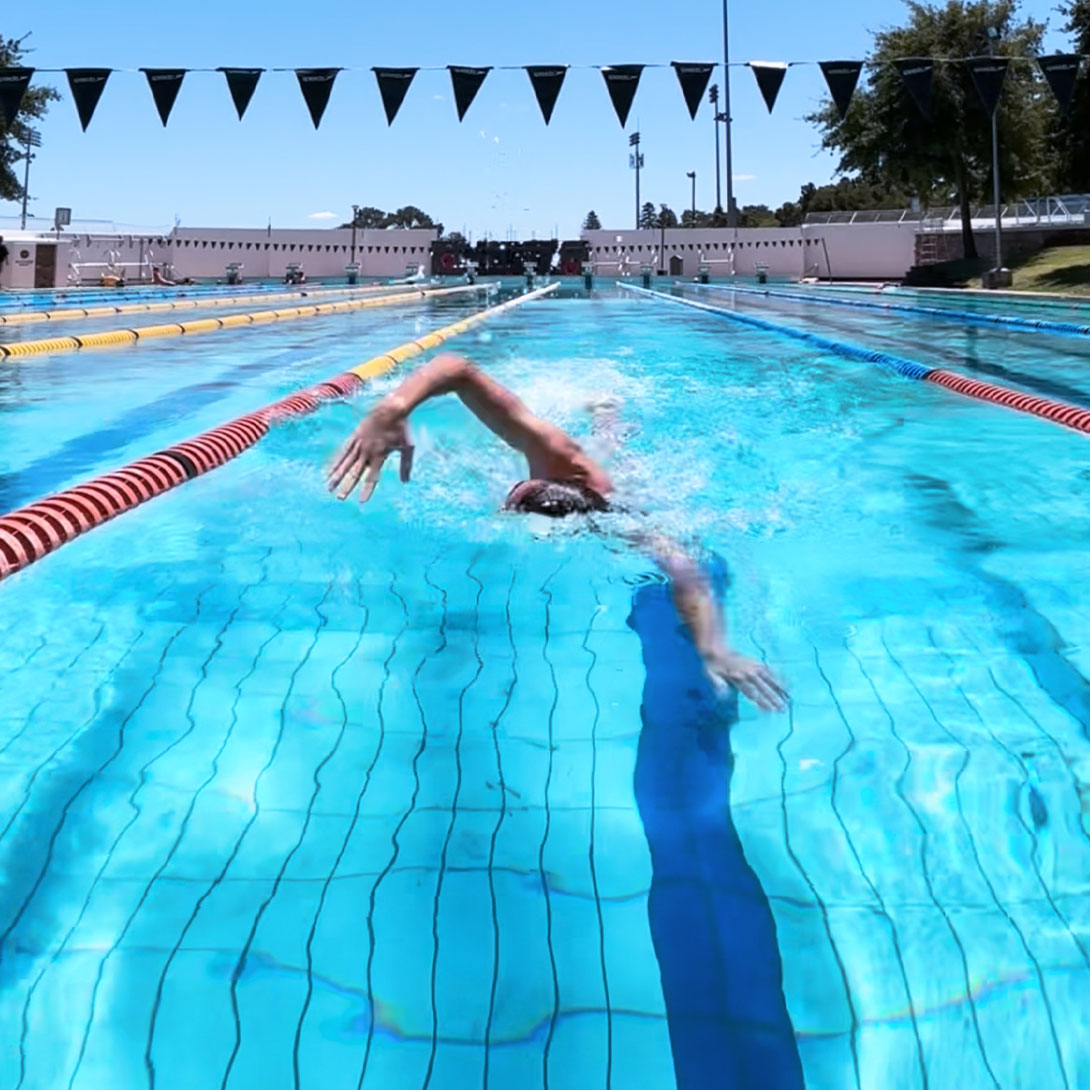
In the water, you can't fight against the element
”When I started swimming, I quickly realized that it was in a class of its own. It's a delicate balance of endurance and technique. Contrary to what one might think, being strong and pushing through the water as hard as possible is not enough. Every detail counts: body position, arm movement, rhythm, and breathing. It demands a unique combination of technique, concentration, and breath control. Swimming has also taught me patience and discipline. Progress is rarely immediate. You have to devote time to it, repeat the same movements, and trust the process, knowing you’ll only see the final result on race day. In the water, you can’t fight against the element. You have to learn to work with it. Sometimes, performance doesn't come from strength but from the ability to adapt, be patient, and work in harmony with your environment.“
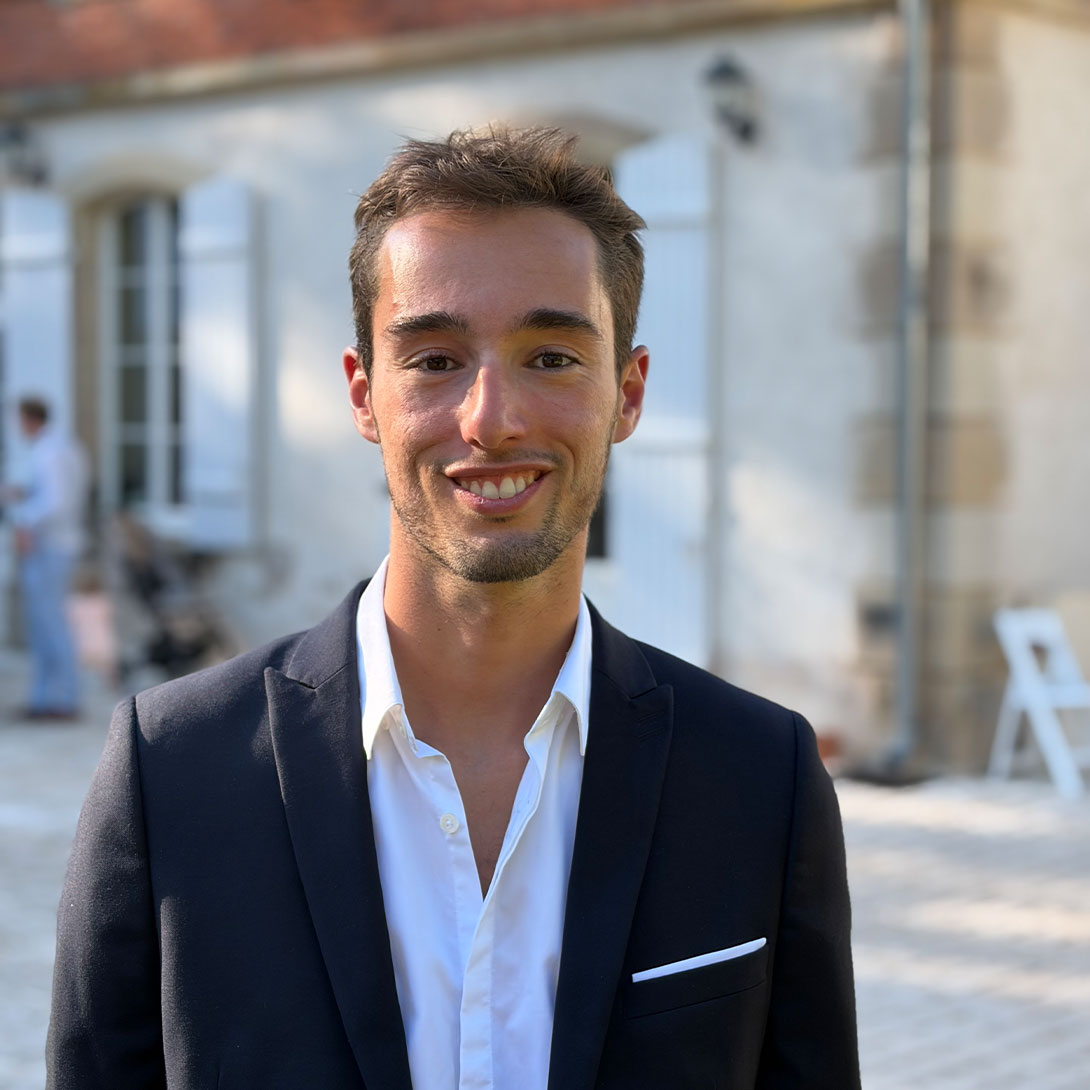
How to disconnect from pressure and expectations
During periods of intense training, I feel the need to take a break. These are often simple activities: sharing a meal with loved ones, attending a concert, or spending an evening at the opera. These activities help me unwind and recenter. Music plays a special role in maintaining a balance, it’s much more than just entertainment. Before major competitions, it helps me find calm and channel my emotions. In tougher moments, music pushes me to go further and find that extra burst of energy. My loved ones also play a vital role. They help me take a step back and remind me that my worth isn't defined by a stopwatch or a ranking. What matters most is the person I’m becoming on this journey. My ultimate goal is to be a better version of myself than I was the day before, making progress not only physically, but also intellectually and personally.
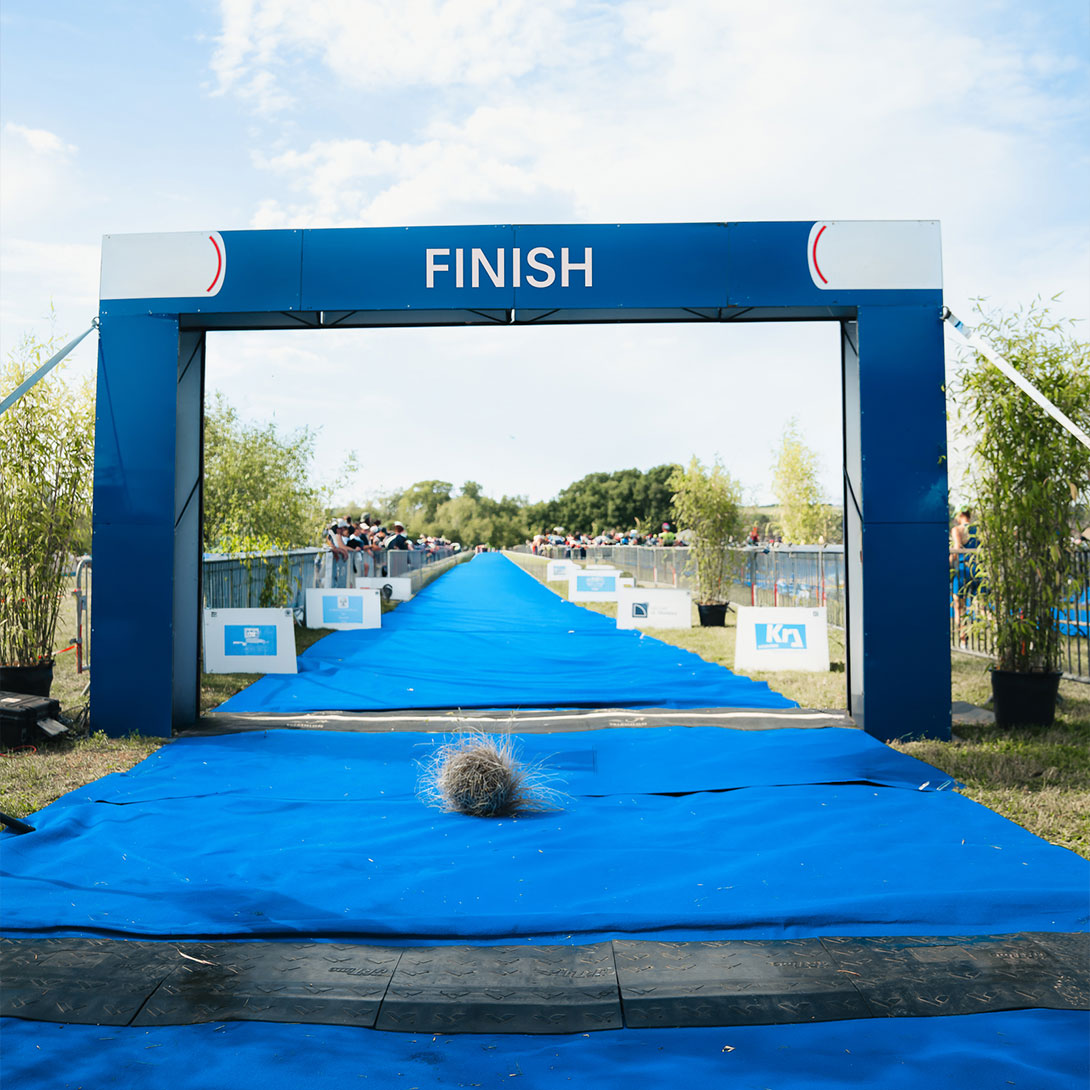
When the Finish Line Disappears
Sometimes, the hardest part of a journey isn’t the race itself – it’s accepting when the finish line suddenly disappears. After months of preparation, discipline, and training, Ironman France Nice was cancelled due to the recent European heatwave. A decision made for safety – yet one that brings real disappointment. When you invest so much into a goal, you imagine the start, the effort, and the finish. And then, from one day to the next, it’s gone. The disappointment is shared not only by the athlete, but also by everyone who supported and followed the journey. But endurance is never just about race day. It’s about the process – the early mornings, the setbacks, and the determination to keep going. Because in the end, the journey itself was always the real achievement. Accepting it and moving forward is where true strength shows. New goals will be set. Keep on running.